In electronics manufacturing, a downed production line isn’t just an inconvenience — it’s a cascading risk. Schedules slip. Costs rise. Customer confidence is tested.
At Poly Electronics, we’ve seen firsthand that the real difference between average EMS providers and great ones isn’t if issues happen — it’s how prepared you are before they do.
Here’s what really happens when a line goes down — and how we design our operations to prevent it.
What Actually Happens When a Line Goes Down
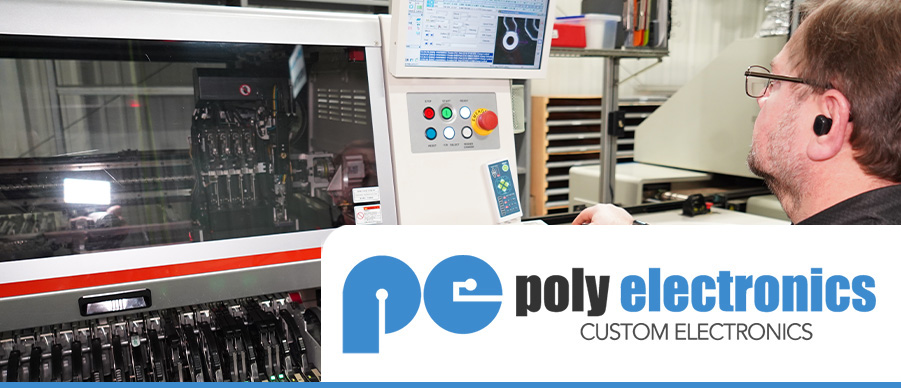
When a pick-and-place machine, reflow oven, or soldering process goes offline, the effects ripple fast:
Production Stops Immediately
No boards moving means no output. Labor stands idle, WIP piles up, and takt time disappears.
Schedules Slip
Missed builds impact downstream operations — test, box build, shipment — and suddenly delivery commitments are at risk.
Costs Quietly Climb
Overtime, expediting parts, rework, and recovery shifts all add cost that never showed up on the original quote.
Quality Risk Increases
Rushed restarts and workarounds can introduce variation — the enemy of reliable electronics.
Most of these costs never appear as a line item. But they always get paid — by someone.
Why Line Downtime Happens
Downtime usually isn’t caused by one dramatic failure. It’s more often death by a thousand small misses:
- Preventive maintenance pushed too far
- Programs not validated offline
- Single points of failure in equipment or people
- Poor NPI handoffs
- Incomplete documentation
- No backup plan when something breaks
The good news? Every one of these is preventable.
How We Prevent Line Downtime at Poly Electronics
Preventive Maintenance Is Non-Negotiable
We treat maintenance as production insurance, not overhead. Machines are serviced on schedule — even when we’re busy.
Skipping maintenance to “get through this run” almost always costs more later.
Offline Programming & Verification
We program and validate before jobs ever touch the line:
- Pick-and-place programs
- AOI programs
- Feeder setups
- Stencil and panel checks
That means fewer surprises once production starts.
Redundancy in Critical Operations
Wherever possible, we avoid single points of failure:
- Cross-trained technicians
- Documented setups
- Backup equipment paths
- Clear escalation procedures
If one process stalls, the entire factory doesn’t have to.
Disciplined NPI Processes
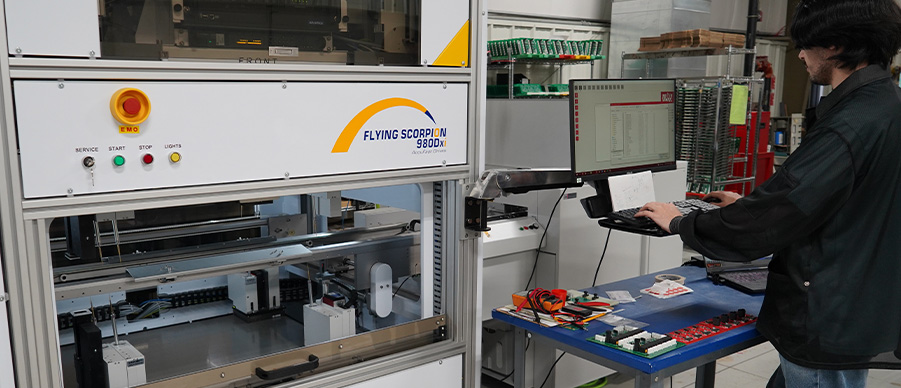
New builds fail when information fails. Our NPI discipline focuses on:
- Clean data handoff
- BOM, centroid, and Gerber alignment
- First-article validation
- Lessons learned captured early
We’d rather delay a build by hours up front than lose days later.
Real-Time Visibility & Communication
Problems don’t get smaller when ignored. We believe in:
- Early detection
- Fast escalation
- Transparent communication
If something might impact schedule or quality, our customers hear about it early — not after the fact.
Why This Matters to You
A low quote looks great until a line goes down.
What customers are really buying from an EMS partner isn’t just assembly — it’s risk management:
- Predictable delivery
- Stable quality
- Fewer fire drills
- Less hidden cost
Manufacturing is a long game. The partners who win it are the ones who plan for problems before they ever happen.
Final Thought
Lines will always go down somewhere. The difference is whether it becomes a crisis — or a non-event.
At Poly Electronics, our goal is simple:
Build systems strong enough that downtime is the exception, not the expectation.
If you’re evaluating EMS partners and want to understand how they prevent risk — not just price boards — we’re always happy to talk. Email us at info@polyelectronics.us